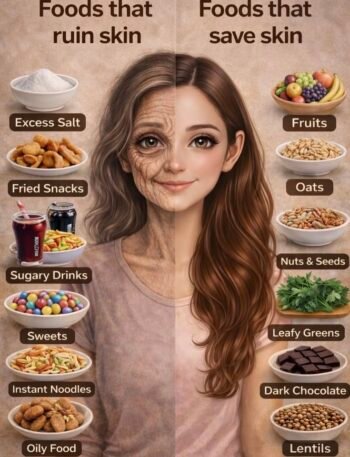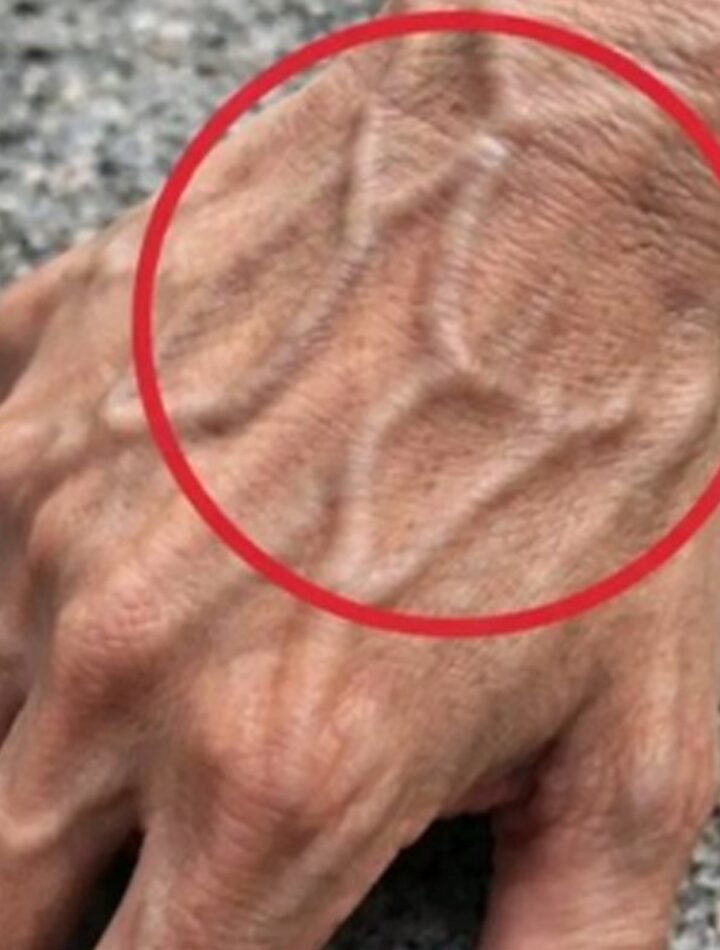
As you age, your skin naturally becomes thinner and loses elasticity. This makes veins stand out more.
👉 You may also notice:
- Wrinkles
- Dry skin
- Reduced firmness
What your body is saying:
This is a natural aging process, not a disease.
Step 4: Dehydration
If your body lacks enough fluids, your veins can appear more prominent.
👉 Signs of dehydration include:
- Dry mouth
- Fatigue
- Dark urine
What your body is saying:
“Drink more water—I need hydration to function properly.”
Step 5: Increased Blood Flow (Exercise or Heat)
After physical activity or in hot weather, veins expand to help regulate body temperature.
👉 This is why veins pop out more:
- During workouts
- After heavy lifting
- In warm environments
What your body is saying:
Your circulation is active and responding normally.
Step 6: Genetics
Some people naturally have more visible veins due to inherited traits.
👉 If your family members have visible veins, it’s likely genetic.
What your body is saying:
“This is just how I’m built.”
Step 7: Possible Medical Conditions (Less Common)
In some cases, visible veins could be linked to underlying issues:
- Varicose veins (less common in hands)
- Circulatory problems
- Blood pressure changes
👉 Warning signs to watch for:
- Pain or tenderness
- Swelling
- Color changes in the skin
- Sudden appearance of bulging veins
What your body is saying:
“Something might need medical attention.”
Step 8: When Should You Be Concerned?
Visible veins alone are usually harmless. However, you should consider seeing a doctor if you notice:
- Sudden and unusual changes
- Pain or discomfort
- Swelling in hands or arms
- Veins becoming hard or inflamed
Final Thoughts
Visible hand veins are most often a normal and healthy sign—especially if you’re active, lean, or simply aging naturally. However, your body can sometimes use these visual cues to signal hydration levels, circulation, or rare health concerns.
👉 Simple rule:
If there’s no pain or sudden change, there’s usually nothing to worry about.